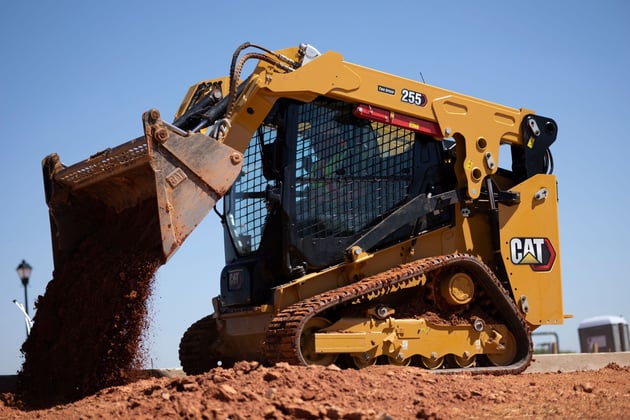
If you're running a landscaping or light construction operation in the Northeast, chances are you've been eyeing a compact track loader (CTL). These machines handle the soft, muddy terrain that comes with New England springs and the unpredictable ground conditions of fall construction seasons. Milton CAT helps contractors across the region match the right equipment to their specific jobsite demands, whether that means navigating wet ground after a rainstorm or pushing through early-season snow.
This guide walks you through the key factors that separate a smart equipment investment from a costly mistake. You'll learn how to evaluate operating capacity, undercarriage design, hydraulic flow, and total cost of ownership—all tailored for the conditions you actually work in.
Key Takeaways: How to Choose a Compact Track Loader in 2026
- Compact track loaders outperform skid steers on soft, muddy, or snowy terrain due to their rubber tracks and lower ground pressure.
- Rated operating capacity and lift path (vertical vs. radial) should match your primary applications and attachment needs.
- Undercarriage design and track quality directly impact maintenance costs and machine longevity in tough conditions.
- Milton CAT offers 16 Northeast locations with factory-trained technicians to support your equipment throughout its lifecycle.
- Total cost of ownership matters more than purchase price—factor in fuel efficiency, service intervals, and parts availability.
Video: Four Things to Consider When Buying a Compact Track Loader
What Is a Compact Track Loader and Why Does It Matter for Northeast Contractors?
A compact track loader is a small, powerful machine mounted on rubber tracks instead of wheels. The tracks distribute the machine's weight across a larger surface area, which reduces ground pressure and prevents the loader from sinking into soft soil. This makes CTLs ideal for Northeast jobsites where spring thaws, frequent rain, and early snowfall create unpredictable underfoot conditions.
Unlike wheeled skid steers, compact track loaders maintain traction on slopes, mud, sand, and snow. They also cause less turf damage on residential landscaping projects where property owners expect you to leave their lawn intact. For contractors working across Massachusetts, New Hampshire, Vermont, Maine, and Upstate New York, this terrain versatility translates directly to more productive work days.
What Is the Difference Between a Compact Track Loader and a Skid Steer?
The primary difference is the undercarriage. Skid steers run on four wheels, while compact track loaders run on continuous rubber tracks. This single distinction creates significant performance differences on the jobsite.
Skid steers excel on hard, flat surfaces like pavement, concrete, and compacted gravel. They travel faster, cost less upfront, and have lower maintenance expenses for the undercarriage. If your work keeps you on stable ground, a skid steer might be the more economical choice.
When to Choose a Compact Track Loader Over a Skid Steer
CTLs make sense when your projects regularly involve soft ground, uneven terrain, or weather-related challenges. According to industry research from Tractor & Equipment Co., compact track loaders distribute weight more evenly, preventing them from sinking into wet soil where wheeled machines would struggle.
Consider a CTL if you frequently work on muddy residential lots after rain, navigate snowy job sites during Northeast winters, or need to protect finished turf on landscaping projects. The improved traction and flotation pay dividends when conditions are less than ideal.
How to Evaluate Operating Capacity for Your Applications
Operating capacity tells you how much weight the loader can safely lift and carry. Manufacturers rate this at 35% or 50% of the machine's tipping load. Most contractors use the 35% rating for general work because it builds in a safety margin and extends machine life.
Start by listing the materials you move most often. Gravel, mulch, soil, and snow all have different densities. A bucket of wet topsoil weighs significantly more than the same bucket filled with dry mulch. Match your loader's rated operating capacity to the heaviest loads you'll regularly handle.
Video: Learn About CAT's Full CTL Lineup
Right-Sizing Your Machine for the Job
Buying too much machine wastes capital. Buying too little creates safety risks and slows your crew down. Cat compact track loaders range from the 239D3 with a 1,530 lb operating capacity up to the 299D3 XE with a 3,560 lb capacity. The right choice depends on your typical bucket loads and attachment requirements.
For residential landscaping—moving topsoil, mulch, and pavers—a mid-size CTL in the 2,000-2,500 lb capacity range handles most tasks efficiently. Heavy construction and land clearing may require the lifting muscle of a larger model.
Understanding Lift Path: Vertical Lift vs. Radial Lift Loaders
Lift path describes how the loader arms move from ground level to full height. This geometry affects how the machine performs different tasks, so matching lift path to your work matters.
When Vertical Lift Makes Sense
Vertical lift loaders keep the bucket closer to the machine throughout the lifting cycle. At full height, the load extends straight up with minimal forward reach. This design provides greater lift capacity and makes loading trucks easier because you can position the bucket directly over the truck bed without moving the machine.
If your projects involve frequent truck loading, stacking materials, or working with pallet forks at height, vertical lift is usually the better choice.
When Radial Lift Works Better
Radial lift loaders swing the bucket in an arc pattern, reaching farthest from the machine at mid-lift height. This creates superior reach at ground level and waist height—right where you do most digging and grading work.
Contractors focused on excavation, trenching, grading, and ground-level material handling often prefer radial lift. The extended reach at working height speeds up digging cycles and reduces repositioning.
How Undercarriage Design Affects Longevity and Maintenance Costs
The undercarriage represents a significant portion of your total operating costs. Tracks, rollers, idlers, and sprockets all wear over time, and replacement parts add up quickly. According to Compact Equipment magazine, track life is a major factor in the lifetime cost of a machine.
CAT Compact Track Loaders feature steel-embedded tracks and steel undercarriage components engineered for maximum life in demanding conditions. Internal drive sprocket designs reduce tooth wear compared to external systems, extending both sprocket and track service intervals.
What Northeast Conditions Do to Your Undercarriage
Freeze-thaw cycles pack debris into track assemblies. Salt used on roads and parking lots accelerates corrosion. Wet conditions keep mud and grit grinding against components. All of these factors shorten undercarriage life if you don't address them.
Daily inspections and regular cleaning make a measurable difference. Remove debris from the undercarriage after each shift, especially during mud season. Keep an eye on track tension—too loose allows the tracks to slap and wear prematurely, while too tight puts excess stress on bearings and sprockets.
Why Hydraulic Flow Determines Attachment Performance
Hydraulic flow measures how much fluid the system pumps to power attachments. It's expressed in gallons per minute (GPM) and directly affects what attachments your loader can run effectively.
Standard flow systems typically deliver 20-25 GPM, which handles buckets, pallet forks, grapples, and light-duty augers without issue. High-flow systems push 30+ GPM to power demanding attachments like forestry mulchers, cold planers, and high-capacity snow blowers.
Matching Hydraulic Capacity to Your Attachment Needs
Before you buy, list every attachment you plan to use now and in the next few years. Check the hydraulic requirements for each. If any attachment needs high flow, you'll want to spec your machine accordingly—adding high flow later is expensive.
Milton CAT's equipment specialists help contractors match hydraulic configurations to their actual work. The goal is adequate capacity for your attachments without paying for capability you won't use.
How to Calculate Total Cost of Ownership for Your Operation
Purchase price is just the starting point. What a loader costs you over its lifetime depends on fuel efficiency, maintenance intervals, repair frequency, and eventual resale value. Contractors who calculate total cost of ownership make more profitable equipment decisions.
Key Factors in Total Cost of Ownership
Fuel consumption varies by engine technology and how hard you run the machine. Look for loaders with modern emissions-compliant engines that balance power with efficiency. Track life, as discussed earlier, represents one of your largest recurring expenses.
Service intervals matter too. A machine with 6,000-hour hydraulic oil change intervals costs less to maintain than one requiring service every 1,000 hours. CAT Compact Track Loaders feature extended service intervals and no-tool access to routine maintenance items, reducing both parts costs and wrench time.
Why Dealer Support Affects Long-Term Costs
When something breaks, downtime costs money. Fast access to parts and qualified technicians gets you back to work faster. Milton CAT maintains 16 fully staffed locations across the Northeast with large parts inventories. Most parts orders are ready for pickup within 60 minutes.
Factory-trained technicians understand CAT equipment inside and out. They diagnose problems accurately the first time, which means fewer repeat visits and shorter repair cycles. The 24/7 Service Answer Helpline provides technical support even outside normal business hours.
What Features Should Northeast Landscapers Prioritize?
Landscaping contractors have specific needs that differ from heavy construction. You're moving materials around client properties where ground disturbance matters. You're working through weather windows that don't always cooperate. And you're running attachments designed for precision work.
Ground Pressure and Turf Protection
Lower ground pressure means less damage to lawns, gardens, and finished surfaces. Track width affects ground pressure—wider tracks spread weight over more area. If protecting turf is a priority, consider wider track options and keep an eye on loaded machine weight.
Cab Comfort for Long Days
Operator fatigue affects productivity and safety. Sealed, pressurized cabs reduce noise and keep dust out. Climate control systems maintain comfortable temperatures during hot summers and cold winters. Adjustable seats with suspension absorb vibration over long shifts.
Good visibility to bucket corners and tracks helps operators work precisely around obstacles. Some models offer integrated rearview cameras and display systems that reduce blind spots and simplify attachment operation.
What Features Should Construction Teams Prioritize?
Construction applications demand raw performance. You're moving heavier materials, working on rougher terrain, and pushing machines harder. Durability and power matter more than low ground pressure.
Lifting Capacity and Breakout Force
Construction sites require moving gravel, concrete debris, and heavy equipment. Higher operating capacity handles these loads safely. Tilt cylinder breakout force—the power behind your bucket edge—determines how effectively you can break into compacted material and fill the bucket.
Two-Speed Travel and Ride Control
Two-speed travel lets you cover ground quickly between work areas. On large sites, this saves significant time over single-speed machines. Ride control cushions the loader arms during travel, reducing material spillage and improving operator comfort across rough ground.
How Do Acquisition Options Affect Your Decision?
You don't have to buy equipment outright. Depending on your cash flow, project pipeline, and tax situation, different acquisition strategies make sense at different times.
Buying New or Used Equipment
New equipment comes with full warranties, the latest technology, and known maintenance history. You control how the machine has been operated and maintained from day one. Explore all the specs of CAT's new CTL lineup here.
Used equipment costs less upfront but carries more uncertainty. Cat Certified Used machines reduce risk by going through rigorous inspections and coming with warranties. Milton CAT's used inventory includes machines returned from rent and trade-ins evaluated by factory-trained technicians.
Rental and Rent-to-Own Options
Renting makes sense for short-term projects, seasonal work, or trying a machine before committing to purchase. You avoid the capital outlay and maintenance responsibility.
Rent-to-Own programs let you apply rental payments toward purchase. This lets you test the machine in your actual working conditions while building equity. Milton CAT offers flexible rental terms and rent-to-buy options that fit different business situations.
Request a Quote Today >
What Should You Look for During a Machine Demo?
Specifications tell you what a loader should do. A demo shows you what it actually feels like to operate. Before making a significant equipment investment, get seat time in the machines you're considering.
Request a CTL Demo at Your Local Milton CAT Location >>
Testing Real-World Performance
Bring your most demanding tasks to the demo. Load a truck, run your favorite attachment, and navigate terrain similar to your typical jobsite. Pay attention to how the controls respond, how visibility feels from the operator's seat, and how the machine handles under load.
Questions to Ask During Your Demo
Ask about service access—can you reach filters, grease points, and fluid checkpoints easily? Inquire about track adjustment procedures and undercarriage maintenance requirements. Understand what's covered under warranty and what's considered normal wear.
Milton CAT offers machine demonstrations so you can experience the equipment before you buy. Their product specialists can answer technical questions and help you compare models based on your specific applications.
How Do Northeast Seasonal Conditions Affect Your Choice?
Working year-round in the Northeast means preparing for every season. The loader you choose needs to handle spring mud, summer heat, fall construction, and winter snow without missing a beat.
Spring Mud Season Challenges
When the frost comes out of the ground, Northeast sites turn into mud pits. Compact track loaders shine here—their tracks maintain traction where wheeled machines would spin and dig themselves in. Choose a loader with adequate ground clearance and track flotation for your typical spring conditions.
Winter Snow Removal Applications
Many landscaping contractors generate winter revenue through snow removal. The same CTL that moves mulch in summer can push snow in winter with the right attachments. High-flow hydraulics power commercial snow blowers effectively. Heated cabs with defrosters keep operators comfortable during early-morning callouts.
What Attachments Expand Your Machine's Versatility?
A Compact Track Loader's true value comes from attachment versatility. The right attachments turn one machine into a fleet of specialized tools.
Video: Explore Caterpillar's Range of CTL Attachments
Essential Attachments for Landscaping
General purpose buckets handle daily material movement. Pallet forks move stone pallets, plant material, and equipment. Augers drill post holes and tree planting holes quickly. Grapples grab brush, logs, and loose debris that would fall out of a bucket.
Essential Attachments for Construction
Tooth buckets break into hard material better than smooth buckets. Hammers demolish concrete and rock. Trenchers cut utility trenches faster than excavating by hand. Planers remove asphalt for patching and repairs.
CAT Work Tools are engineered to work with CAT Compact Track Loaders. The quick-attach system makes switching between attachments fast, so you spend more time working and less time fiddling with connections.
How Does Financing Work for Equipment Purchases?
Most contractors finance major equipment purchases rather than paying cash. Understanding your financing options helps you structure deals that support your business goals.
Traditional Equipment Loans
Equipment loans work like vehicle loans. You borrow a set amount, make monthly payments over a fixed term, and own the machine outright when you pay it off. Interest rates depend on your credit, the loan term, and market conditions.
Lease Options
Leases reduce monthly payments compared to loans for similar equipment. At lease end, you return the equipment, buy it at residual value, or extend the lease. This structure keeps payments predictable and potentially frees up capital for other investments.
Milton CAT offers flexible financing and leasing options through established equipment finance partners. Credit applications are straightforward, and their team can help you evaluate which structure makes the most sense for your situation.
In Conclusion: Making the Right Compact Track Loader Choice
Choosing a compact track loader comes down to matching machine capabilities to your actual work. Evaluate operating capacity against your typical loads. Select a lift path that fits your primary applications. Consider hydraulic flow requirements for your attachment lineup. And look beyond purchase price to total cost of ownership.
For Northeast contractors, terrain versatility and dealer support carry extra weight. The right loader handles mud season, winter snow, and everything in between. Fast parts availability and qualified technicians minimize downtime when issues arise.
Milton CAT has served construction and landscaping professionals across the Northeast for over 60 years. With 16 locations, large parts inventories, and factory-trained service teams, they deliver the equipment expertise and support that keeps your operation running. Whether you're buying, renting, or exploring your options, their product specialists can help you find the right compact track loader for your business.
FAQs About How to Choose a Compact Track Loader in 2026
What size compact track loader do I need for residential landscaping?
For residential landscaping, a mid-size compact track loader with 2,000-2,500 lb operating capacity handles most tasks efficiently. This range moves mulch, topsoil, and pavers without being too large to maneuver around tight residential lots. Milton CAT's Cat 255 and 265 models fit this capacity range well.
How long do compact track loader tracks last?
Track life varies based on operating conditions, maintenance practices, and terrain. In typical Northeast conditions, quality tracks can last 1,200-2,000 hours with proper care. Internal drive sprocket designs extend track service intervals compared to external systems. Daily cleaning and correct track tension help maximize track life.
Can I use the same attachments on different compact track loader brands?
Most compact track loaders use similar quick-attach interfaces, so many attachments work across brands. However, hydraulic flow and pressure vary between machines. Check that your attachment's requirements match your loader's hydraulic specifications. Milton CAT helps contractors verify attachment compatibility.
Is a compact track loader better than a skid steer for snow removal?
Compact Track Loaders typically perform better than Skid Steers for snow removal on soft or icy surfaces. The tracks provide superior traction on slippery ground where wheels would spin. For snow removal on paved surfaces only, either machine works well. High-flow hydraulics power commercial snow blowers effectively.
How do I know if I need high-flow hydraulics?
Review the hydraulic requirements for every attachment you plan to use. Standard flow (20-25 GPM) handles buckets, forks, grapples, and light-duty augers. High flow (30+ GPM) powers demanding attachments like forestry mulchers and large snow blowers. Milton CAT's equipment specialists match hydraulic configurations to your attachment needs.
What warranty coverage should I expect on a new compact track loader?
New CAT Compact Track Loaders include a standard 24-month, 2,000-hour warranty covering manufacturer defects. Extended warranty options are available for additional protection. Used Cat Certified equipment also comes with warranty coverage based on inspection results. Ask about warranty details before finalizing your purchase.